SEO
Title tags and meta descriptions that get clicks
Title tags and meta descriptions are still the first words Google and a shopper see in a result, even when Google rewrites them. Unique titles around 50 to 60 characters and descriptions around 105 characters (with room up to the longer display limits) are the production templates I actually ship. This note is for Magento, Shopify and WooCommerce catalogues where every SKU currently ends with the same brand pipe.
I am Alan Vo. Eighteen years of storefronts, including Magento SEO operations and Shopify rebuilds, taught me that snippets are a template problem first. Google’s title link documentation is honest: they may rewrite your title. You still write a good one, because a rewrite of a unique title is better than a rewrite of {name} | {store} | {store} | Buy online.
How to write title tags and meta descriptions for store templates
Title tags and meta descriptions for store templates are written as patterns per page type, then exceptions for the URLs that already earn impressions. You do not hand-author 20,000 metas on day one. You stop the duplicates, then you write the money collections by hand.
Google uses the title tag as a strong candidate for the title link. It also uses the H1, on-page heading, and other text. If the title is boilerplate, the H1 is a slogan, and the product name is buried, you invited a rewrite.
Practical length: I still aim titles at 50 to 60 characters because that is where truncation is less ugly on mobile. Google can show more. Unique and accurate beats squeezing “Free shipping Australia” into every PDP.
Meta descriptions are not a ranking factor in the old-school sense. They are a click factor when Google uses them. Google often pulls a snippet from the page instead. A unique description still helps when it does use yours, and it is a writing brief for the first paragraph. I aim near 105 characters for a tight sentence, and I do not panic if a good description runs longer, as long as the first clause carries the offer.
Patterns I use:
Homepage: {Brand}: {what you sell in a human phrase}. Not {Brand} | Home.
Collection: {Collection name} {qualifier if true}. Example: Made-to-measure linen curtains. Brand at the end only if it fits. Do not prefix every collection with the company name if it eats the keyword.
Product: {Product name} first. Then a short differentiator (material, size, use) if the name is generic. Brand last if there is room. Magento SKUs that are “ABC-1234” in the name field need a real name in the title, which means a real name in the product, which is on-page SEO, not a title hack.

Article: {Headline} as the title. Do not append “Blog” and the brand if it truncates the point.
Search, cart, checkout, account: noindex. Do not spend poetry on them.
Shopify: theme title in theme.liquid plus admin SEO fields. Collection and product SEO fields should not all be empty so the theme falls back to the same suffix.
Magento: Product Meta Title and Meta Description attributes, plus category fields. Configurables should not inherit a simple’s title if the simple is not the indexable URL. Default Magento titles that append the store name twice are a finding.
WooCommerce: Yoast or Rank Math patterns. %%title%% %%sep%% %%sitename%% on every product is how you get 8,000 near-duplicates. Use sitename on home and maybe collections, not on every SKU.
Descriptions should include a fact: material, fit, shipping constraint, or who it is for. They should not be keyword lists. They should match the page so Google has no reason to swap in a random image alt.
I keep the same uniqueness rule as on-page SEO for ecommerce stores. Titles are on-page. They are just the part that leaks into the SERP.
Shopify collection SEO is its own mess of metafields and theme defaults. When you are on Shopify, follow Shopify SEO for collection and product pages for the platform switches. The writing rules in this note still apply.
Why title tags and meta descriptions still earn the click in 2026
Title tags and meta descriptions still earn the click in 2026 because humans scan a list of blue links and AI overviews still quote page titles, while catalogues still ship identical snippets. Google’s rewrites made lazy titles worse, not irrelevant.
What changed is display and competition. Titles are rewritten more often. Shopping and AI surfaces steal some clicks. The remaining web result still uses a title link. A Magento category named “Default Category” in the title is how you lose that click to a competitor who named the fabric.
Paid search is not a reason to ignore organic titles. Ads have their own headlines. Organic titles that contradict the ad landing page feel like bait. Keep them in the same language as the H1.
I have published store-level conversion numbers after a Shopify rebuild (Their Nibs: 31 percent conversions, 48 percent more orders). I will not pretend those numbers came from meta descriptions alone. Snippets were part of a clearer purchase journey. Titles that match the product you rebuilt are table stakes.
How production title systems actually work
Production title systems work as a hierarchy: CMS field if filled, else a template, else a last-resort name plus brand. Magento and Shopify both support that if you do not let an SEO app overwrite it twice.
I crawl titles first. Duplicate groups tell me the template. “ | Store Name” on 90 percent of URLs means the theme appends a suffix and merchants never filled the SEO field.
Then I look at rewrites in Search Console (Performance, then pages, then compare title tag to the displayed title if you sample SERPs). If Google drops your brand suffix, good. If Google replaces your unique product name with a category heading, the H1 and title may be fighting.
Character counting: I count in the CMS with a preview, not in Photoshop. Ampersands and pipes eat width. I prefer hyphens in titles because this site’s house style forbids en dashes, and pipes often look like another brand fragment.
Token rules:
- No ALL CAPS except a true acronym
- No keyword repetition (
Curtains | Curtains | Buy Curtains) - No year stuffing unless the product is genuinely seasonal and you will update it
- No salary, no fake discounts in the title if the page does not show them
- No agency names
Descriptions:
- One sentence, active, specific
- Call out made-to-measure, alcohol age gates, or custom engraving if that is the page
- Do not duplicate the title
- Do not promise “best” and “#1” unless you can defend it. I would rather be boring and true.
International: one title per locale. Copying English titles into a second Magento store view is not localisation. hreflang will show the wrong snippet in the wrong country.
After a theme migration, re-crawl. Horizon, Hyva, and new WordPress blocks love to change the <title> source.
Production checklist for titles and metas
- Crawl all indexable URLs. Group duplicate titles. Fix the template that causes the biggest group.
- Set homepage, collection, product and article patterns in the theme or SEO plugin. Remove sitename from product titles if it causes duplicates.

- Fill SEO fields for the top collections by impressions.
- Fill SEO fields for top products by impressions and for products whose Magento name is a SKU code.
- Write metas for those same URLs. Leave the long tail on the template until the head is unique.
- Match H1 to title closely enough that Google has one candidate, not two fights.
noindexsearch, filters you do not want, cart, account.
- Spot-check 20 snippets in an incognito SERP. Note rewrites.
- After Magento attribute imports, check that meta title was not overwritten with empty or with the description field.
- After Shopify app installs, view-source
<title>and the meta description. Apps inject extras.
- Keep a changelog of the pattern, not of every SKU.
- Re-run the duplicate title report monthly. Merchandising will add a season of clones.
What breaks title tags and meta descriptions in Magento and Shopify
Imports break them. A CSV that maps description into meta description dumps HTML into the SERP.
SEO apps break them by appending offers (“ | Free Shipping”) sitewide.
Magento layered URLs break them when every facet inherits the parent title.
Shopify markets and languages break them when the default title is used for every market.
Google rewrites break morale. People then stuff more keywords. The rewrite gets worse. Go back to a clear product name.
Pagination: “Page 2” in the title can be correct for usability and still look like duplicates. Canonical and noindex policy should match the title policy.
I do not put prices in titles unless merchandising will keep them in sync. Stale prices in SERPs are a trust hit.
How to measure title tags and meta descriptions
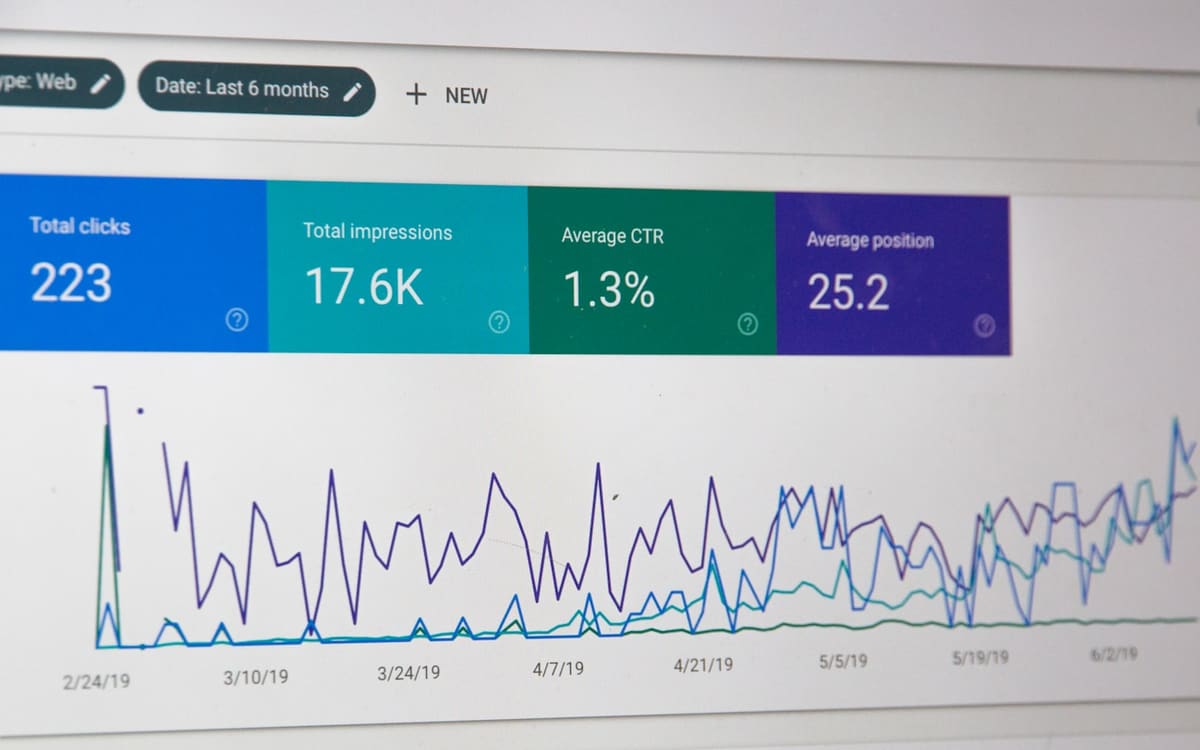
You measure title tags and meta descriptions with duplicate-title counts, Search Console CTR on pages where you changed snippets, and a sample of whether Google used your title, not with a sitewide CTR that mixes brand queries.
Brand queries will always CTR well. Measure a collection or a non-brand SKU set. Change titles in a batch, wait for recrawl, compare. Small samples lie. Direction on a hub collection is enough to know the pattern works.
If CTR rises and rankings fall, you may have written bait. Accuracy first.
If CTR is flat and titles were duplicates, you still won operationally. Google can now tell SKUs apart. Rankings on the tail often follow uniqueness more slowly than people want.
Related work on this site
Snippet writing has to match a store that actually sells. I was on the Shopify rebuild for Their Nibs, where the published post-launch numbers were a 31 percent increase in conversions and 48 percent more orders, and I shipped Shopify Plus for Offporter, an editorial fashion-ops site where titles and chapter names have to feel like infrastructure, not a generic studio homepage. Different jobs, same rule: the title is the name of the document. If the document is a product, lead with the product.
Title tags and meta descriptions FAQ
How long should title tags and meta descriptions be?
Title tags should usually land around 50 to 60 characters so they stay readable when truncated, and meta descriptions work well as a tight sentence around 105 characters, with the first clause carrying the fact. Google may show more or rewrite both. Uniqueness matters more than hitting a pixel width on the dot.
Does Google rewrite title tags and meta descriptions anyway?
Google may rewrite title tags and meta descriptions when they are boilerplate, mismatch the query, or mismatch the page. You still write accurate unique titles so the rewrite has good material. Empty or duplicated Magento titles are the usual reason a whole catalogue looks the same in SERPs.
Should every product include the brand in title tags and meta descriptions?
Every product should not force the brand into title tags and meta descriptions if it duplicates 10,000 times and pushes the product name out. Put the product name first. Add the brand when it is the query (jewellery houses, gin names) or when there is room.
Can an SEO plugin replace writing title tags and meta descriptions?
An SEO plugin cannot replace writing title tags and meta descriptions for the URLs that already get impressions. It can apply a pattern so new SKUs are not titled “Product”. The hub collections still need a human sentence. That is merchandising as much as SEO.
Keep reading
Contact if you want this kind of work on a live store.